
Expertise
The Sams Clinic specializes in diagnosing and treating orthopedic, mobility, and performance-related conditions affecting the bones, joints, ligaments, tendons, muscles, and movement system.
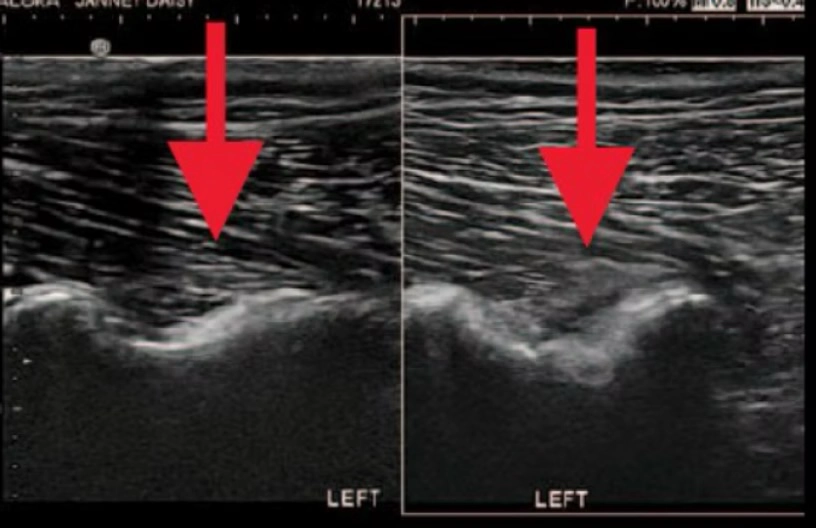
Conditions Treated
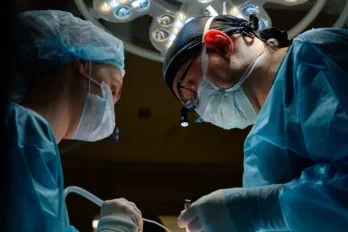
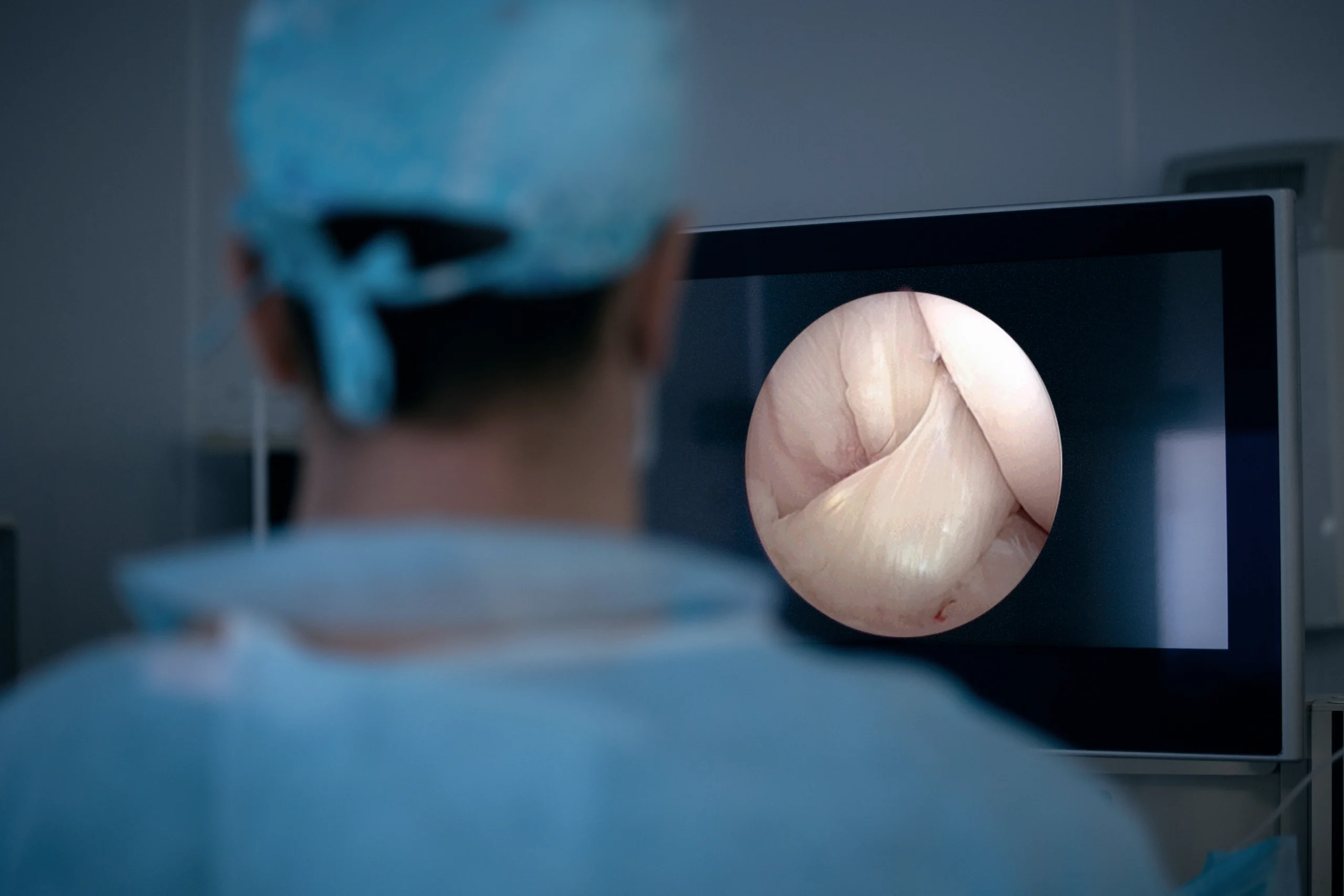
Orthopedic Surgery & Arthroscopy
Sports & Performance Medicine
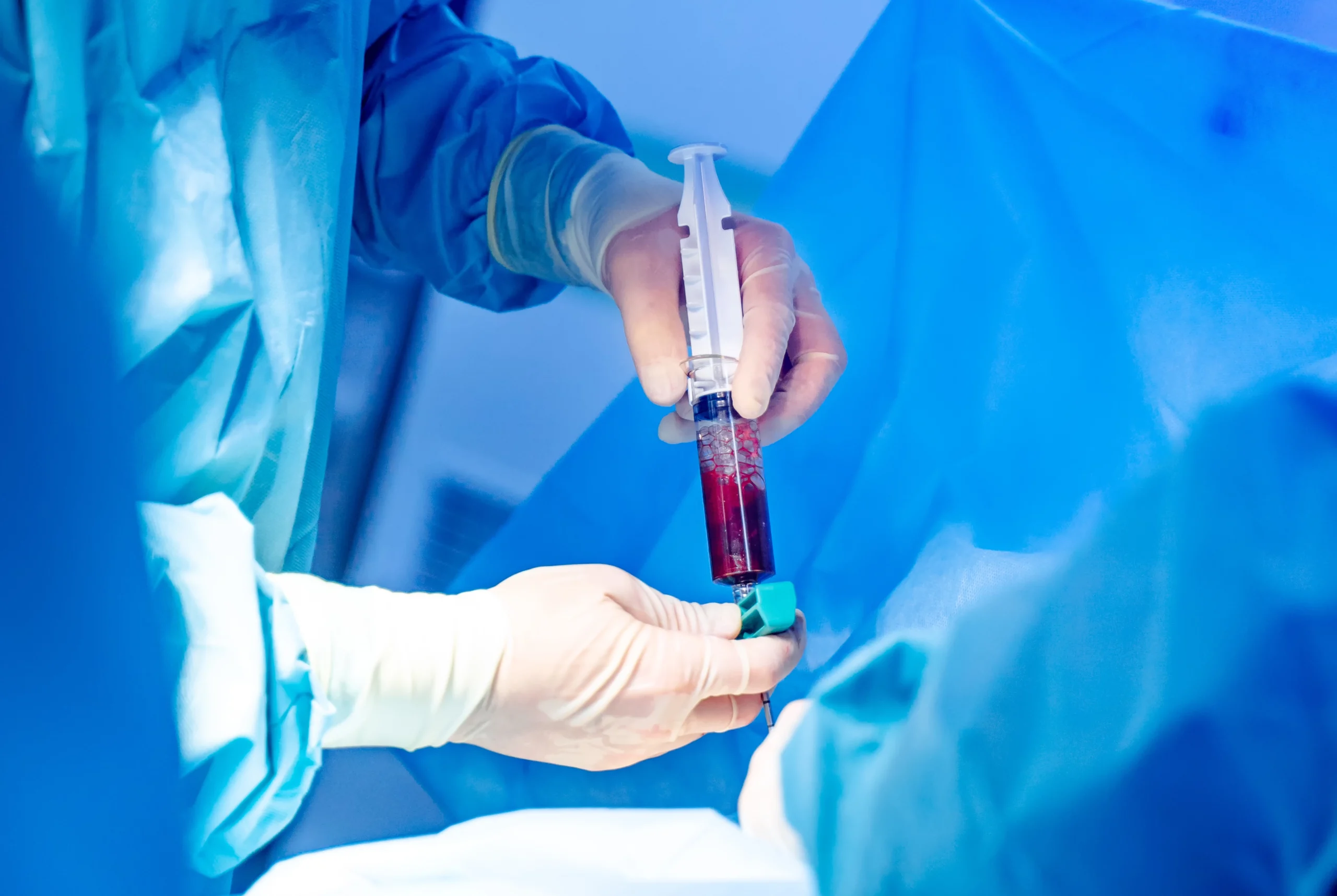
Orthobiologic Medicine
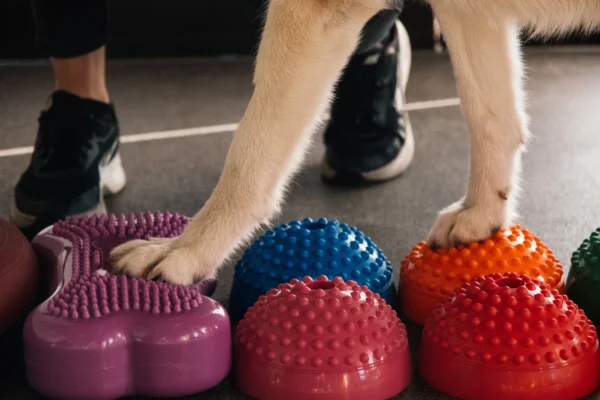
Rehabilitation & Return to Activity
Conditions Treated at The Sams Clinic
The Sams Clinic treats conditions that affect comfort, mobility, stability, movement quality, activity, and performance, including new injuries, chronic lameness, degenerative disease, developmental problems, trauma, soft-tissue and joint disorders, and complex or unresolved orthopedic cases.
Conditions by Pathology
Arthritis & Degenerative Joint Disease
- Osteoarthritis / degenerative joint disease
- Post-traumatic osteoarthritis
- Secondary osteoarthritis associated with joint instability, dysplasia, or prior injury
- Chronic hip, elbow, shoulder, stifle, carpal, or tarsal osteoarthritis
- Multijoint osteoarthritis / mobility-limiting degenerative disease
Cartilage, Meniscal & Joint Disease
- Meniscal injury
- Focal cartilage, osteochondral, or osteochondritis dissecans (OCD) lesions
- Coronoid disease
- Medial compartment disease
- Synovitis or intra-articular inflammation
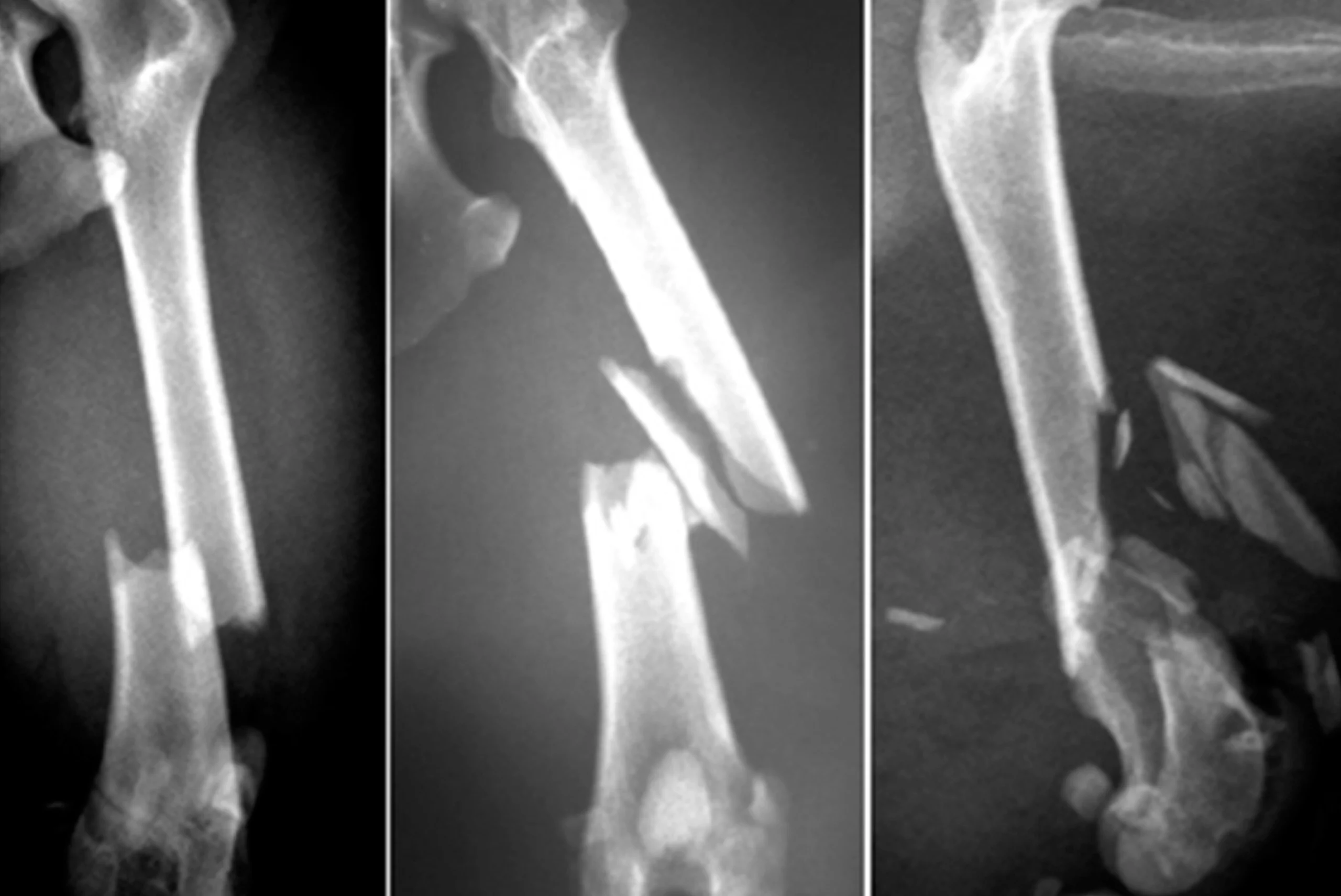
Fractures, Luxations & Orthopedic Trauma
- Long-bone, articular, periarticular, pelvic, scapular, or physeal fractures
- Open, comminuted, delayed-healing, or complex fracture
- Joint luxation
- Traumatic ligament, tendon, or muscle injury
- Delayed union, malunion, or nonunion
- Osteomyelitis / orthopedic bone infection
Growth, Alignment & Developmental Conditions
- Angular limb deformity, antebrachial deformity, limb malalignment, or limb-length discrepancy
- Physeal growth disturbance
- Joint incongruity
- Hip dysplasia
- Elbow dysplasia
- Osteochondrosis / osteochondritis dissecans (OCD)
- Patellar luxation associated with limb conformation
Lumbosacral, Sacroiliac & Load-Bearing Dysfunction
- Lumbosacral-region pain or dysfunction
- Sacroiliac-region pain or dysfunction
- Performance-related load-bearing dysfunction
- Compensation-related pain or dysfunction
Tendon, Ligament & Muscle Conditions
- Biceps tendinopathy / tenosynovitis
- Supraspinatus tendinopathy or mineralization
- Infraspinatus injury or contracture
- Iliopsoas strain or tendinopathy
- Common calcanean / Achilles tendon injury
- Collateral ligament injury
- Muscle strain or tear
- Periarticular soft-tissue pain or injury
Complex, Unresolved & Revision Cases
- Persistent lameness after treatment
- Incomplete recovery after surgery, treatment, or rehabilitation
- Unresolved soft-tissue injury
- Failed, recurrent, or complicated orthopedic repair
- Second-opinion evaluation for unresolved orthopedic findings
Conditions by Anatomy
Carpus (Wrist)
- Carpal hyperextension injury
- Carpal instability, ligament disruption, or collateral ligament injury
- Accessory carpal bone fracture
- Carpal osteoarthritis / degenerative joint disease
Elbow
- Elbow dysplasia
- Fragmented medial coronoid process / coronoid disease
- Ununited anconeal process
- Osteochondritis dissecans (OCD) of the humeral condyle
- Medial compartment disease
- Elbow incongruity
- Elbow synovitis
- Elbow osteoarthritis / degenerative joint disease
- Elbow luxation
Hip, Pelvis & Groin
- Juvenile or adult hip dysplasia
- Hip osteoarthritis / degenerative joint disease
- Coxofemoral subluxation or luxation
- Femoral head and neck disease
- Iliopsoas strain or tendinopathy
- Pelvic fracture
Paw & Digits
- Phalangeal, metacarpal, or metatarsal fractures
- Digital instability, collateral ligament injury, or interphalangeal luxation
- Digital flexor or extensor tendon injury
- Sesamoid disease / sesamoiditis
- Weight-bearing digit injury
Shoulder
- Medial shoulder syndrome / glenohumeral instability
- Biceps tendinopathy / tenosynovitis
- Supraspinatus tendinopathy, mineralization, or partial-thickness injury
- Infraspinatus injury or contracture
- Osteochondritis dissecans (OCD) of the shoulder
- Glenohumeral osteoarthritis / degenerative joint disease
- Shoulder luxation
Stifle (Knee)
- Cranial cruciate ligament disease, partial tear, or rupture
- Meniscal injury
- Medial or lateral patellar luxation
- Osteochondritis dissecans (OCD) of the stifle
- Stifle synovitis
- Stifle osteoarthritis / degenerative joint disease
Tarsus (Hock)
- Tarsal instability or collateral ligament injury
- Common calcanean / Achilles tendon injury
- Calcanean fracture
- Superficial digital flexor tendon luxation
- Osteochondritis dissecans (OCD) of the talus
- Tarsal osteoarthritis / degenerative joint disease
Orthopedic & Minimally Invasive Surgery
The Sams Clinic specializes in orthopedic and minimally invasive diagnosis and treatment of injury, instability, degenerative disease, developmental disease, deformity, fracture, and other musculoskeletal disorders affecting comfort, mobility, stability, and long-term function.
Orthopedic Evaluation, Diagnosis & Treatment Planning
Accurate diagnosis is the foundation of effective orthopedic treatment. Before recommending care, The Sams Clinic identifies the source of pain, lameness, dysfunction, or instability and how it affects the patient’s comfort, mobility, activity, and long-term function.
Evaluation is individualized around the patient’s history, prior diagnostics, response to treatment, clinical findings, owner observations, and referring veterinarian records. When additional information is needed, evaluation may include:
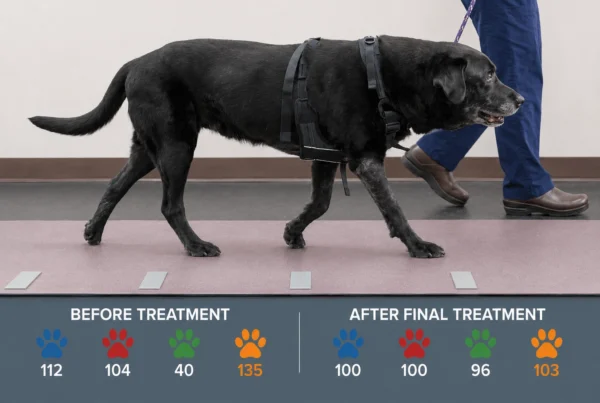
- Clinical evaluation: orthopedic examination, gait and movement assessment, range-of-motion evaluation, joint stability assessment, limb alignment assessment, objective gait or force-plate analysis when indicated, and neurologic screening when clinically appropriate
- Imaging: radiographs / X-rays, CT imaging, review of prior or outside imaging, and orthopedic imaging planning
- Laboratory testing: pre-procedure testing, infection or inflammatory workup, culture, cytology, synovial fluid analysis, or other case-specific diagnostics
- Procedural diagnostics: musculoskeletal ultrasound, arthroscopic or needle-scope joint evaluation, joint aspiration, bone biopsy, soft-tissue biopsy, or ultrasound-guided localization when clinically appropriate
Treatment planning is individualized around the diagnosis, disease severity, patient age and size, activity level, functional demands, recovery expectations, and short- and long-term goals. When options exist, our specialists discuss surgical, minimally invasive, non-surgical, or combined pathways so owners and referring veterinarians can make informed decisions.
Surgical Treatment
Surgery is recommended when it offers the most appropriate path to restoring comfort, stability, mobility, function, or long-term orthopedic health. Recommendations are individualized around the diagnosis, disease severity, patient age and size, activity level, functional demands, recovery expectations, and long-term goals. Not every orthopedic condition requires surgery, and not every surgical condition requires the same procedure.
The Sams Clinic performs orthopedic procedures spanning joint stabilization, fracture repair, intra-articular disease, deformity correction, tendon and ligament reconstruction, revision surgery, and salvage procedures. Surgical planning emphasizes durable function while coordinating rehabilitation, sports medicine, orthobiologic therapy, and less-invasive techniques when clinically appropriate.
Representative surgical categories include:
- Joint stabilization: cruciate ligament stabilization including TPLO and other surgical approaches, patellar stabilization, collateral ligament reconstruction, shoulder stabilization, and related procedures
- Joint, cartilage & intra-articular surgery: treatment of shoulder, elbow, stifle, tarsal, cartilage, meniscal, ligament, synovial, and other intra-articular disorders when surgical intervention is indicated
- Fracture, trauma & reconstruction: fracture fixation, luxation management, orthopedic trauma surgery, articular fracture reconstruction, pelvic or scapular fracture repair, and complex reconstructive procedures
- Corrective surgery: corrective osteotomy, limb realignment, developmental orthopedic disease, angular limb deformity correction, and patient-specific surgical planning when indicated
- Tendon, ligament & soft-tissue reconstruction: Achilles tendon repair, superficial digital flexor tendon repair, periarticular soft-tissue repair, and related reconstructive procedures
- Revision & salvage surgery: management of failed orthopedic repair, postoperative complications, recurrent instability, unresolved lameness, implant complications, revision procedures, and selected salvage techniques
Every procedure is selected for the individual patient, expected recovery, long-term function, and quality of life.
Arthroscopic & Minimally Invasive Treatment
Arthroscopic and minimally invasive treatment is used when advanced visualization or image-guided technique can help diagnose or treat an orthopedic condition with less disruption to surrounding tissue. At The Sams Clinic, minimally invasive care is one pathway within individualized orthopedic decision-making, not a separate philosophy from surgery, sports medicine, or rehabilitation.
Recommendations are based on the diagnosis, tissue involved, disease severity, patient size and activity level, functional goals, and whether a minimally invasive approach can provide the information or treatment needed. In some cases, minimally invasive care may be the primary treatment. In others, it may support surgical planning, reduce the need for open surgery, or integrate with orthobiologic therapy and rehabilitation.
Representative minimally invasive approaches include:
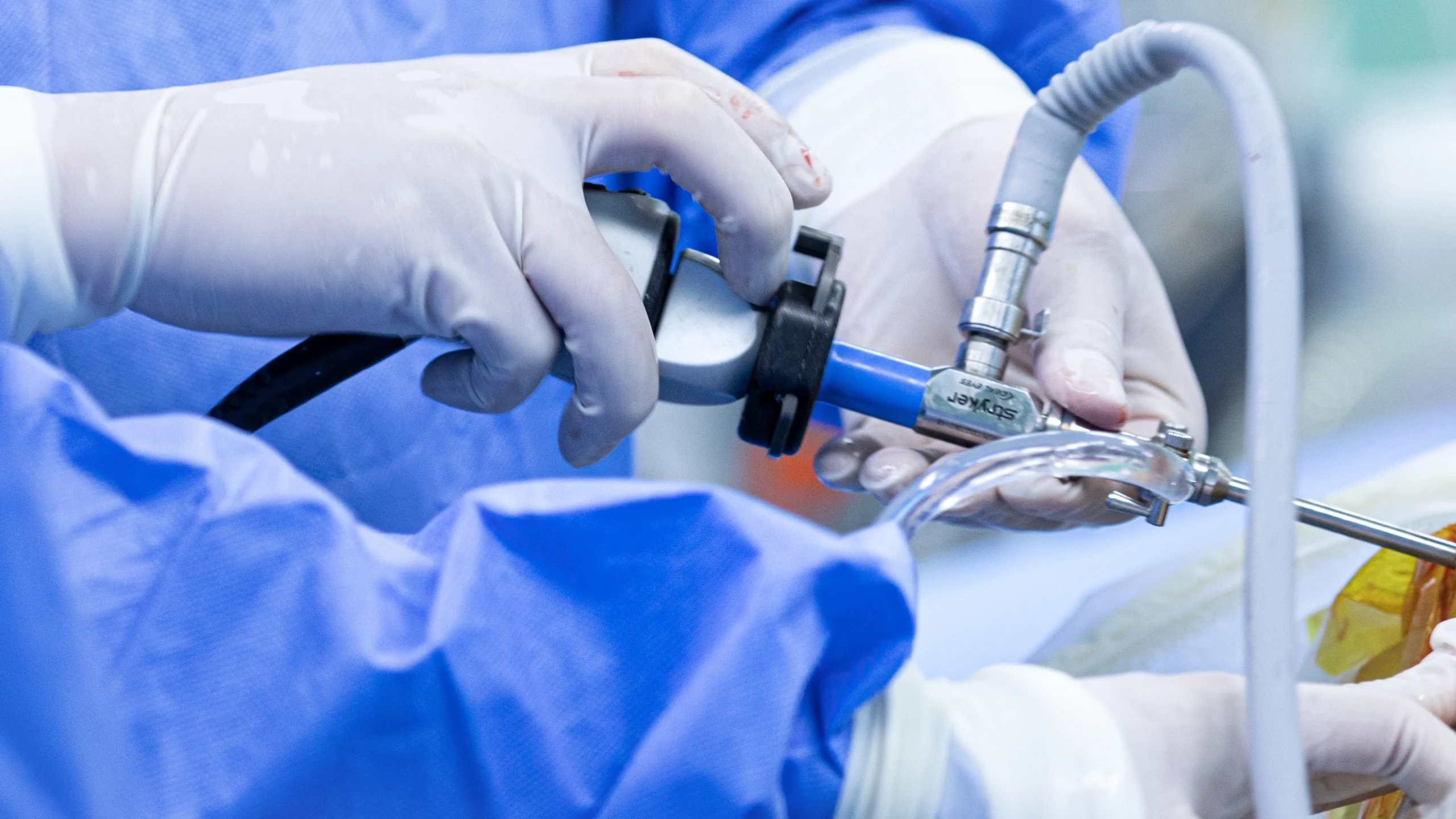
- Arthroscopy & needle-scope procedures: minimally invasive evaluation and treatment of shoulder, elbow, stifle, tarsal, cartilage, meniscal, ligament, synovial, and other intra-articular disorders
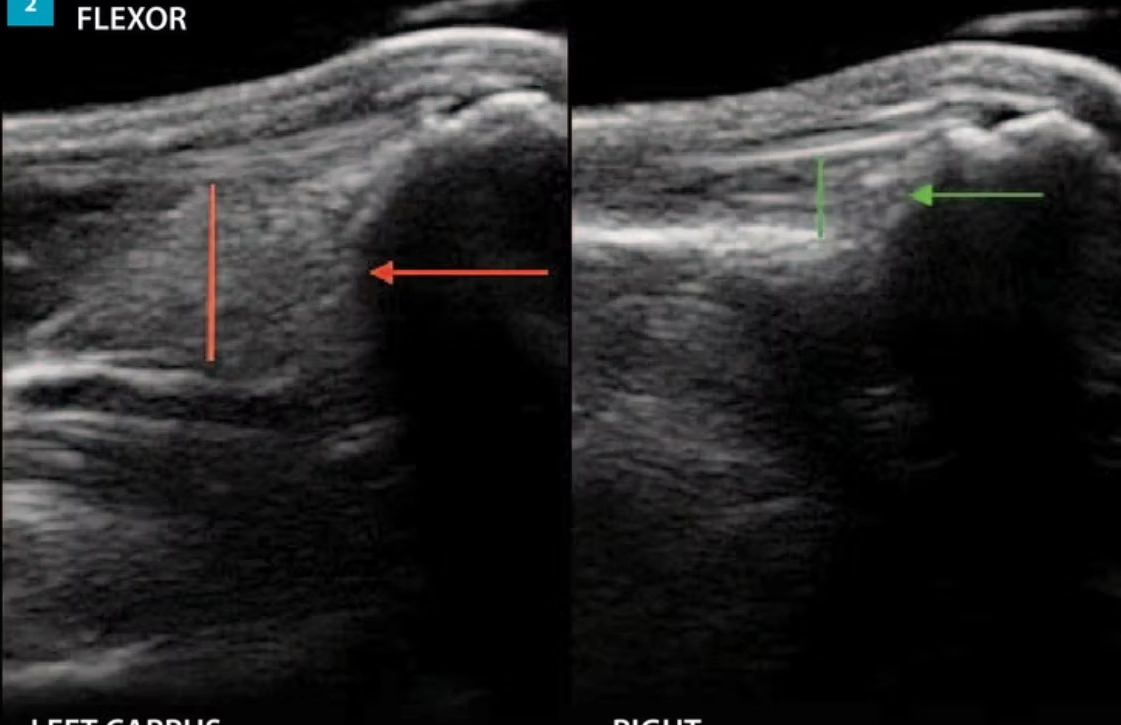
- Musculoskeletal ultrasound guidance: dynamic soft-tissue evaluation, image-guided localization, targeted injections, and treatment of tendons, ligaments, joints, and periarticular soft tissues
- Biologic and image-guided therapies: ultrasound-guided platelet-rich plasma (PRP), bone marrow aspirate concentrate (BMAC), adipose-derived cellular therapy, and related treatments when clinically appropriate
- Less-invasive orthopedic techniques: arthroscopic-assisted treatment, limited-access procedures, and other techniques used to reduce tissue disruption when appropriate
The goal is to select the least invasive medically appropriate pathway that can accurately address the patient’s condition while supporting durable comfort, mobility, recovery, and long-term function.
When to See an Orthopedic Specialist
Orthopedic evaluation is appropriate when pain, lameness, instability, reduced mobility, or changes in movement suggest that a bone, joint, ligament, tendon, muscle, or load-bearing structure may be affected. Early specialist evaluation can help localize the problem, clarify treatment options, and reduce the risk of prolonged dysfunction or incomplete recovery.
Consider orthopedic evaluation if your pet is experiencing:
- Difficulty with daily function: trouble rising, lying down, sitting, climbing stairs, jumping, walking, getting into the car, or performing normal activities
- Lameness, stiffness or gait change: limping, uneven weight-bearing, altered stride, stiffness after rest or exercise, reduced endurance, or changes in movement quality
- Pain, swelling or structural change: sensitivity, joint enlargement, limb deformity, abnormal limb position, guarding, or visible physical change affecting a limb or joint
- Sudden injury or loss of function: trauma, suspected fracture, luxation, ligament injury, non-weight-bearing lameness, or rapid change in limb use
- Incomplete recovery: persistent symptoms, stalled progress, recurrent lameness, poor limb use, or limited improvement after previous treatment, surgery, or rehabilitation
- Growth or alignment concerns: lameness in a young or growing animal, abnormal limb position, progressive deformity, uneven weight-bearing, or suspected developmental orthopedic disease
- Sport, work or activity changes: reduced speed, power, endurance, confidence, jumping ability, turning ability, workload tolerance, or performance under training, sport, work, or active daily life
Orthopedic consultation is also appropriate when the diagnosis remains uncertain, treatment options are unclear, or owners and referring veterinarians want specialist guidance before major decisions about surgery, minimally invasive treatment, non-surgical care, or long-term management.
Complex, Revision & Second Opinion Cases
The Sams Clinic frequently receives cases with complex histories, unresolved clinical questions, or previous treatment that has not produced the expected result. Consultation is often sought when the diagnosis remains uncertain, recovery has stalled, performance has not returned, or surgery, rehabilitation, or prior treatment has failed to restore the desired outcome.
Common referrals include persistent lameness, recurrent injury, unresolved pain, suspected missed diagnoses, failed orthopedic repair, postoperative complications, revision surgery candidates, and patients requiring a second opinion before major treatment decisions.
Sports & Performance Medicine
For dogs whose performance depends on precision, power, and control — where every stride, turn, and hesitation can matter — The Sams Clinic provides performance-level musculoskeletal care designed to localize subtle injury, guide precise treatment, and support return to sport, work, or activity.
Performance Evaluation & Diagnostic Localization
Performance-limiting injury is not always obvious. Changes in speed, power, endurance, movement quality, confidence, or task execution may occur before a clear diagnosis is apparent. Accurate localization is often the first step toward identifying the source of dysfunction and determining the most appropriate treatment plan.
Evaluation begins with a detailed review of performance history, training demands, workload, prior injury, recovery progression, and handler observations. Physical examination is combined with gait, movement, and load assessment to identify abnormalities that may only appear under athletic or working demands.
Diagnostic evaluation may include orthopedic examination, musculoskeletal ultrasound, advanced imaging, arthroscopic evaluation, and other diagnostic methods when clinically appropriate. Findings are interpreted within the context of the patient’s sport, work, activity level, performance goals, and the potential contribution of soft-tissue injury, joint disease, or other musculoskeletal dysfunction.
Once the source of dysfunction is identified, recommendations are tailored to the diagnosis, performance demands, recovery requirements, and long-term functional objectives.
Treatment & Performance Management
Treatment is designed to restore performance, function, and comfort while supporting a safe return to sport, work, training, and activity. Recommendations are built around the patient’s diagnosis, injury severity, workload, performance goals, recovery requirements, and long-term functional objectives.
Management may include performance-focused therapeutic rehabilitation, ultrasound-guided treatment, orthobiologic therapy, orthopedic intervention, workload progression, or coordinated care across multiple treatment pathways.
Plans support safe progression back to activity and restoration of function while reducing the risk of persistent dysfunction, reinjury, or incomplete recovery.
Recommendations are developed in the context of the patient’s sport, work, lifestyle, and expected performance demands.
Common Conditions & Injuries
Common conditions evaluated include:
- Subtle, intermittent, or difficult-to-localize lameness affecting training, competition, work, or daily activity
- Shoulder instability, biceps disease, supraspinatus injury, iliopsoas injury, tendon injury, ligament injury, muscle injury, and other soft-tissue conditions affecting athletic and working performance
- Carpal, tarsal, and digit injuries associated with jumping, turning, braking, impact, and repetitive athletic activity
- Performance-limiting joint disease, cartilage injury, meniscal injury, synovitis, and other intra-articular conditions
- Overuse injury, workload-related dysfunction, compensation patterns, and repetitive-stress conditions associated with sport, work, and training
- Lumbosacral, pelvic, and load-bearing pain syndromes affecting performance, movement quality, and function
- Reduced speed, power, endurance, confidence, movement quality, or task performance under athletic or working demands
- Incomplete recovery, recurrent injury, persistent lameness, or failure to return to previous levels of function after treatment, surgery, or rehabilitation
When to Seek Performance Evaluation
Consider a performance evaluation if your dog is experiencing:
- Subtle, intermittent, or difficult-to-localize lameness during training, competition, work, or daily activity
- Reduced speed, power, endurance, stamina, or workload tolerance
- Changes in stride length, jumping mechanics, turning ability, acceleration, or movement quality
- Hesitation, inconsistency, loss of confidence, or reluctance to perform previously reliable tasks
- Recurrent injury, recurring soreness, or performance decline associated with training, competition, work, or repetitive activity
- Performance decline that develops under speed, load, repetition, fatigue, or increasing training demands
- Incomplete recovery or failure to return to previous levels of performance after injury, treatment, surgery, or rehabilitation
- Uncertainty regarding the source of performance loss, lameness, or musculoskeletal dysfunction
Early evaluation may help identify performance-limiting conditions before they progress, allowing treatment and recovery plans to be tailored to the patient’s sport, work, and performance goals.
Return to Sport, Work & Activity
Returning a patient to sport, work, training, or activity requires more than resolution of the original injury. Long-term success depends on appropriate healing, restoration of function, progressive conditioning, and the ability to perform safely under real-world demands.
Return-to-activity recommendations are individualized around the diagnosis, sport or job requirements, workload demands, recovery progress, and long-term performance goals. Progression strategies are designed to help patients advance toward unrestricted activity while minimizing the risk of reinjury or performance-limiting compensation.
Whether the goal is competition, working duty, hunting, service work, or an active lifestyle, recommendations are developed to support durable function, sustainable performance, and long-term musculoskeletal health.
Orthobiologic & Regenerative Medicine
Orthobiologic therapy uses the patient’s own tissues to concentrate naturally occurring healing components, such as platelets, growth factors, and stem cell–rich cells, to support tissue repair, reduce inflammation, and improve musculoskeletal function.
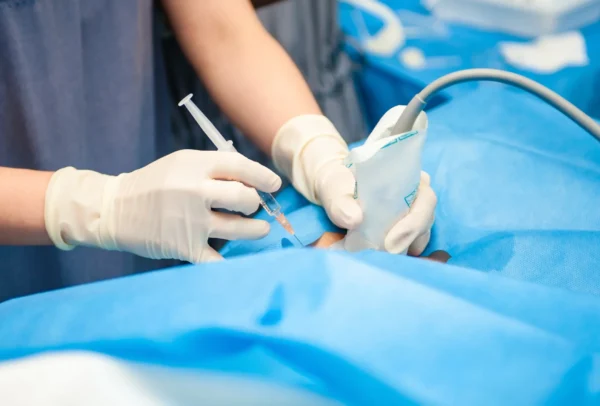
Biologic Therapies
- Platelet-rich plasma (PRP): concentrated platelets and growth factors derived from the patient’s blood
- Bone marrow aspirate concentrate (BMAC): concentrated bone marrow-derived cellular material, including mesenchymal stem cells, progenitor cells, platelets, and signaling factors
- Adipose-derived stem cell therapy: mesenchymal stem cell–rich therapy derived from the patient’s adipose tissue
Common Orthobiologic Applications
- Joint disease, osteoarthritis, and cartilage injury
- Tendon, ligament, muscle, and soft-tissue injury
- Performance, workload-related, and inflammatory musculoskeletal conditions
- Surgical repair and recovery support
- Nonoperative orthopedic and sports medicine treatment
- Biologic banking for future therapy
Rehabilitation & Return to Performance
Rehabilitation translates diagnosis and treatment into improved movement, strength, comfort, and capacity, helping pets return safely to daily life, sport, or work.
Recovery Pathways
- Post-operative and nonoperative orthopedic recovery
- Therapeutic exercise, strengthening, and conditioning
- Gait retraining, controlled weight-bearing, and movement-quality restoration
- Mobility, range-of-motion, flexibility, and joint-function care
- Balance, coordination, proprioception, and neuromuscular control
- Manual therapy and soft-tissue mobilization
- Pain, inflammation, and tissue-healing management
- Progressive return-to-activity and return-to-performance planning
Warning Signs: When to See a Specialist
Difficulty with Daily Function
Routine activities show when discomfort is affecting comfort, mobility, and normal use.
- Difficulty rising, lying down, or sitting normally
- Reluctance to jump, climb stairs, or get into the car
- Slower movement during normal routines
- Reduced activity, endurance, or comfort on walks
- Hesitation, avoidance, or behavior changes associated with movement
- Stiffness after rest or exercise
Lameness, Weight-Bearing & Gait Changes
Changes in limb use or movement quality can indicate pain, instability, compensation, or incomplete recovery.
- Subtle, intermittent, or difficult-to-localize lameness
- Complex tendon, ligament, muscle, and soft-tissue injury
- Intra-articular and performance-limiting joint disease
- Overuse, compensation, and workload-related disease
- Incomplete recovery after injury, surgery, or rehabilitation
- Performance loss under speed, load, repetition, or fatigue
Pain, Swelling, or Physical Change
Local tissue changes can signal joint disease, soft-tissue injury, fracture, luxation, or inflammation.
- Pain with touch or movement
- Swelling, heat, or sensitivity
- Joint thickening or enlargement
- Guarding a limb
- Visible deformity or abnormal limb position
- Open wound associated with lameness or limb abnormality
Sport, Work, or Performance Changes
Athletic and working dogs often show injury through changes in precision, power, timing, or confidence under demand.
- Reduced speed, power, drive, or endurance
- Dropped bars, missed contacts, slower turns, or altered jumping mechanics
- Shortened stride during work
- Hesitation, refusal, or loss of confidence in trained tasks
- Lameness during or after sport, work, or training
- Performance decline under speed, load, repetition, or fatigue
Recovery That Does Not Progress
A stalled recovery can signal that the diagnosis, tissue source, treatment plan, or progression strategy needs deeper review.
- Recovery that plateaus or regresses
- Persistent lameness or pain after treatment
- Poor limb use after injury or surgery
- Weakness, muscle loss, or limited range of motion
- Difficulty progressing activity safely
- Failure to return to normal activity, sport, work, or comfort
Growth, Alignment, or Early-Onset Changes
Early movement changes in young dogs can reflect developmental disease, growth-plate disturbance, joint incongruity, or limb alignment problems.
- Lameness in a young or growing dog
- Abnormal limb position or visible limb deviation
- Uneven weight-bearing
- Gait changes during growth
- Progressive deformity or asymmetry
- Difficulty with age-appropriate activity
Sudden Injury or Acute Structural Change
Acute trauma warrants prompt evaluation when pain, deformity, instability, or loss of function suggests structural damage.
- Sudden severe or non-weight-bearing lameness
- Injury after a fall, collision, accident, or high-impact activity
- Rapid swelling or severe pain
- Visible deformity or abnormal limb angle
- Immediate loss of limb function
Complex Cases & Second Opinions
The Sams Clinic frequently receives cases with complex histories, unresolved clinical questions, or previous treatment that has not produced the expected result. Consultation is often sought when the diagnosis remains uncertain, recovery has stalled, performance has not returned, or surgery, rehabilitation, or prior treatment has failed to restore the desired outcome.
Common referrals include persistent lameness, recurrent injury, unresolved pain, suspected missed diagnoses, failed orthopedic repair, postoperative complications, revision surgery candidates, and patients requiring a second opinion before major treatment decisions.
Our Specialists

Andrew Sams, DVM, MS, DACVS
Founder & Medical Director
Orthopedic Surgery & Arthroscopy
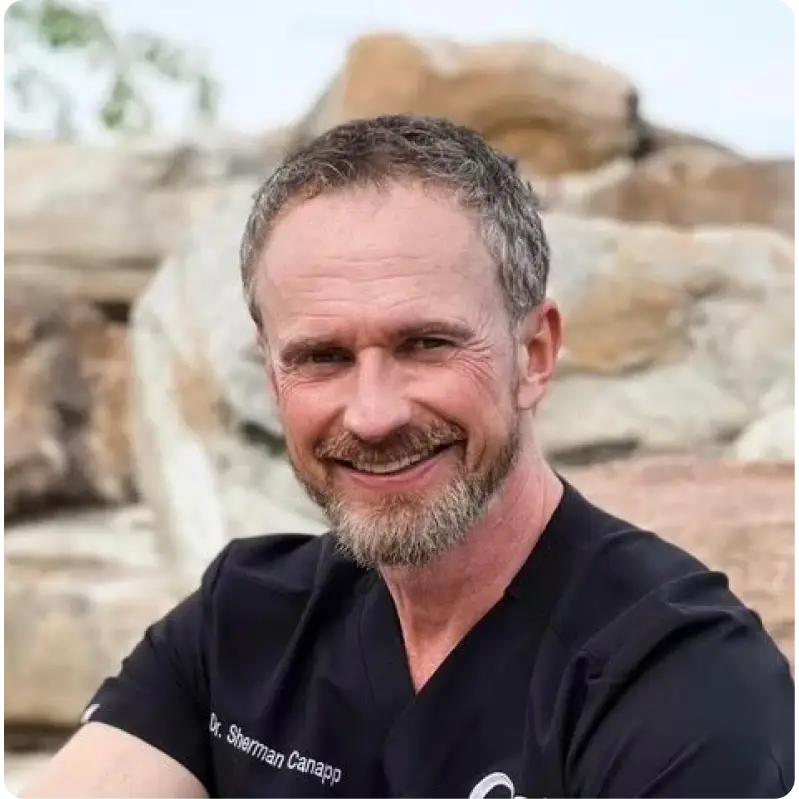
Sherman Canapp, DVM, MS, CCRT, DACVS, DACVSMR
Orthopedic Surgery & Arthroscopy
Sports Medicine & Rehabilitation

Dana Whitlock, DVM, MS, CCRP, CVA, DACVSMR
Sports Medicine & Rehabilitation
Patient Stories
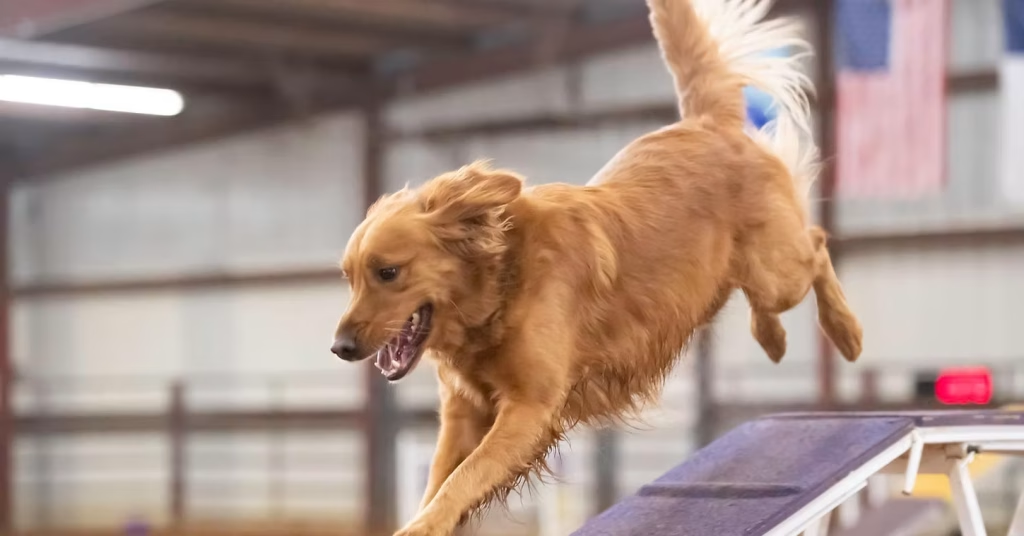
Sig
Agility
“From the moment we stepped into the VOSM clinic, we felt as if we were the most important patient in the office. Everyone was so professional and kind.”

Cole
Agility
“I can’t thank VOSM enough for all they did for Cole and giving him a chance to do the things he loves again.”
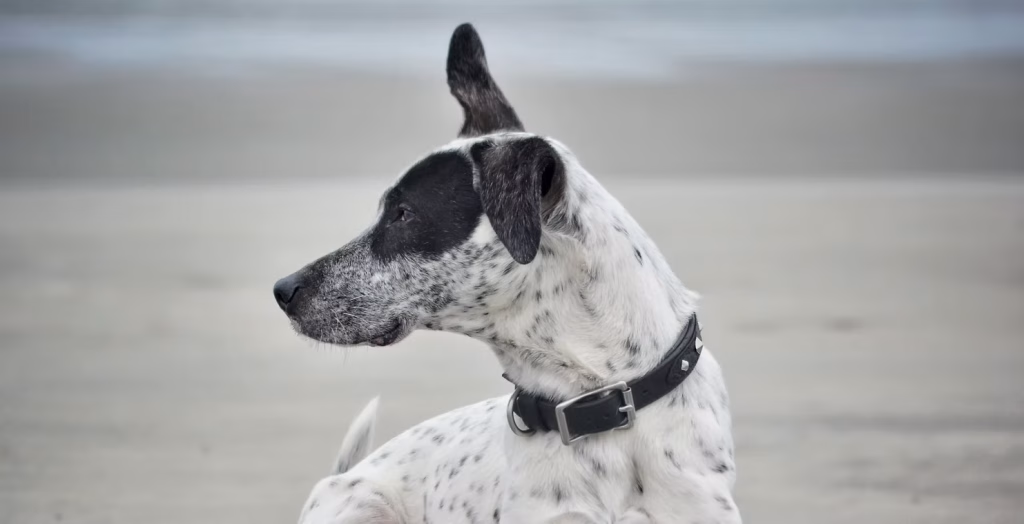
Auggie
Agility
“The Canapps have worked wonders on my dog, Auggie, to keep him active and in shape so he can continue to do all that he loves well into his senior years.”
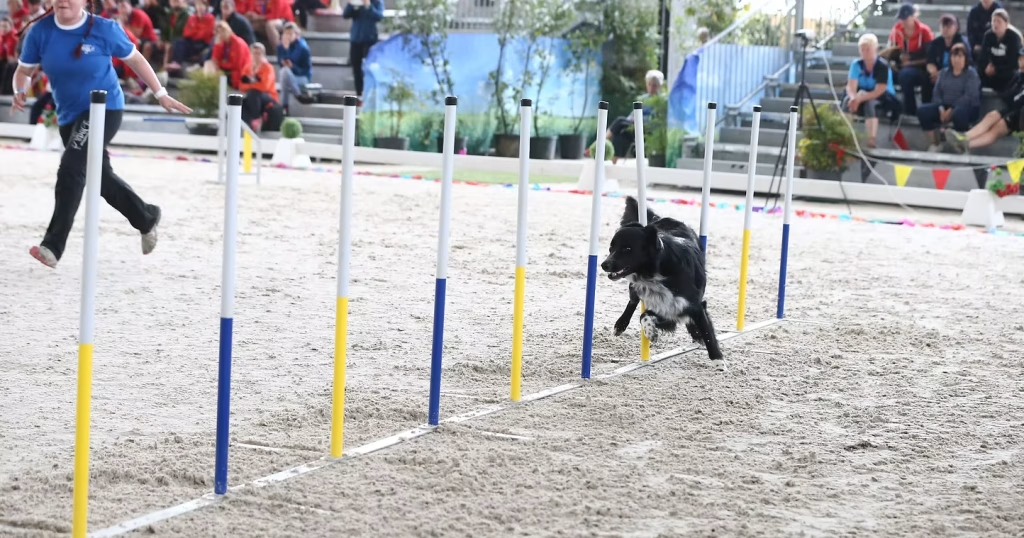
Bang
Agility
“I feel very confident that Bang got the best treatment, we were early to catch it and we will be back to agility rings doing what we love most!”